Happy New Year: A Strategic Creative Tool for Entrepreneurs and Makers
As the calendar turns, many professionals and creatives look for meaningful ways to refresh their approach to work and expression. Happy New Year is more than a seasonal greeting—it’s a design asset that, when used intentionally, can elevate creative projects and strategic communication. Whether you're a small business owner, marketer, educator, or DIY enthusiast, integrating Happy New Year into your visual toolkit can help you connect more authentically with your audience while reinforcing your brand’s personality and purpose.
Understanding Happy New Year as a Design Element
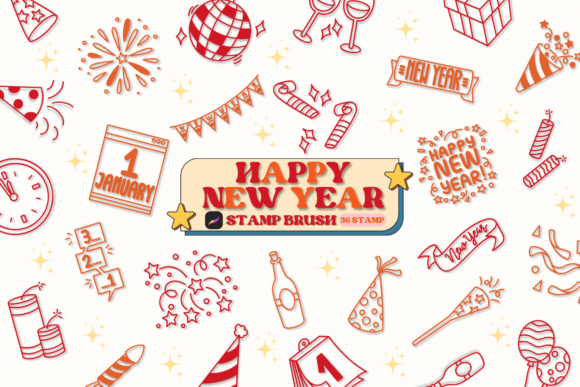
Happy New Year is not just a phrase—it’s a thematic anchor that can be visually represented in a variety of ways. When paired with a sketch-style font or Procreate stamp brushes, it adds a handcrafted, personal touch to your work. This kind of design choice resonates particularly well with audiences who value authenticity, simplicity, and human-centered creativity.
For example, a wedding planner might use Happy New Year styled elements in seasonal-themed invitations or decor, while a blogger could incorporate it into a curated graphic for a year-end reflection post. The key is to use the phrase not as a decoration for decoration’s sake, but as a deliberate design decision that supports your broader creative or business goals.
How Happy New Year Can Support Strategic Goals
When aligned with your brand voice and objectives, Happy New Year can be a powerful tool for positioning and communication. Here’s how:
- Brand Alignment: If your brand leans toward minimalism, nostalgia, or artisanal aesthetics, using a sketch-style Happy New Year element can reinforce consistency across your visual materials.
- Seasonal Storytelling: Whether you're launching a new product, sharing a recap of the year, or announcing upcoming plans, integrating Happy New Year into your design helps frame your message within a familiar emotional context.
- Emotional Resonance: The start of a new year brings with it a sense of hope and renewal. By incorporating Happy New Year into your creative output, you can tap into that shared sentiment to build deeper connections with your audience.
Practical Use Cases for Happy New Year Elements
From entrepreneurs to educators, the applications for Happy New Year are broad and adaptable. Here are a few practical examples:
- Wedding Invitations: A hand-drawn Happy New Year stamp can add a seasonal flair to invitations, especially for weddings taking place in January or early February.
- DIY Crafts and Decorations: Whether you're creating greeting cards or home decor, using sketch-style brushes in Procreate can help you produce personalized, high-quality designs without needing advanced illustration skills.
- Logos and Branding Materials: For small businesses launching a rebrand or seasonal campaign, incorporating Happy New Year into your logo or social media graphics can create a timely and relevant impression.
- Educational Content: Teachers and trainers can use Happy New Year themed visuals to introduce new units, set goals for the year, or inspire students to reflect on personal growth.
Planning Your Use of Happy New Year Strategically
While Happy New Year can be a compelling design choice, it should never be a random one. Here’s how to approach it with intention:
- Define Your Objective: Are you aiming to build brand recognition, encourage engagement, or inspire action? Knowing your goal will guide how and where you use Happy New Year in your creative work.
- Consider the Context: Is your audience likely to respond positively to a seasonal design element? If your brand is timeless or global in nature, you may want to balance Happy New Year with more universal design cues.
- Align with Brand Voice: If your brand is modern and sleek, a sketch-style Happy New Year font might feel out of place. Always ensure that your creative choices reflect your brand identity consistently.
- Test and Iterate: Use A/B testing or audience feedback to see how different design treatments—including the use of Happy New Year—perform in terms of engagement and conversion.
Long-Term Value Beyond the Season
While Happy New Year has seasonal relevance, its strategic value can extend beyond January. By archiving your designs and repurposing them in future years, you can build a library of branded assets that maintain continuity and familiarity over time. This approach supports long-term brand recognition and reduces the need to reinvent your creative approach every year.
Additionally, using Happy New Year consistently across multiple years can help you track how your audience responds to seasonal messaging, allowing you to refine your strategy based on real-world performance data.
Avoiding Common Pitfalls
Like any creative tool, Happy New Year can be overused or misapplied. Here are some common missteps to avoid:
- Using It Without Purpose: Don’t add Happy New Year just because it’s available. Always tie it back to a specific goal or message.
- Overloading Visuals: Too many seasonal elements can clutter your design and dilute your message. Use Happy New Year sparingly and with intention.
- Mismatching Brand Tone: If your brand is formal or technical, a playful Happy New Year stamp might confuse your audience. Choose design elements that align with your brand’s personality.
Conclusion: Using Happy New Year with Purpose
Ultimately, Happy New Year is more than a decorative flourish—it’s a strategic creative asset. When used thoughtfully, it can enhance your branding, support your communication goals, and deepen your audience connection. Whether you're crafting wedding invitations, designing digital content, or planning a seasonal campaign, integrating Happy New Year into your creative process can help you make better decisions and achieve better results.
Remember, the goal isn’t just to celebrate the new year—it’s to use that celebration as a springboard for meaningful, intentional design that supports your broader professional and creative ambitions.